Top Reasons to Get a Myopia Eye Exam Before School Starts
Late summer has a strange way of making time feel compressed. One week it is still light outside at 8 p.m., the next families are hunting for folders, lunch containers, and the right pair of sneakers before the first bell rings. Eye care often falls to the bottom of that list, partly because children do not always complain when their vision changes and partly because blurry sight can look a lot like ordinary distraction. A child who squints at the board, loses place while reading, or says homework is “boring” may not be unmotivated at all. They may simply be struggling to see clearly.
That is why a myopia eye exam before school starts is worth making time for. When nearsightedness is identified early, the school year tends to begin with fewer surprises. The child can read more comfortably, teachers get a clearer picture of performance, and parents are not left guessing whether a problem is academic, behavioral, or visual. In pediatric eye care, timing matters more than most people realize. Catching myopia before the classroom rhythm takes hold can make the difference between starting strong and spending months correcting problems that were never about effort in the first place.
Why vision checks belong on the back-to-school list
Families are usually good at preparing for the obvious school needs. New shoes get purchased, vaccines are updated, and sports forms are signed. Vision often gets skipped because children adapt so well. They move closer to the television, sit near the front at school without being asked, or memorize the words on a page enough to keep up for a while. That adaptability can hide myopia for months.
A child with undiagnosed nearsightedness may still get through the day, but it costs them. They may work harder to read, tire earlier, and avoid tasks that require sustained focus. Teachers often notice the pattern before parents do, especially once the pace of class picks up. A pediatric eye exam Brea families schedule before school starts can uncover these issues before the child has to spend the year compensating. Even a mild prescription can reduce strain and improve comfort in ways parents notice quickly, often within days of getting glasses.
There is also a practical reason to act early. School calendars are packed. Between the first day, after-school activities, and the usual family logistics, it becomes hard to fit in appointments once classes start. The back-to-school window is one of the few times when a children’s eye doctor can evaluate a child before school demands pile up. If glasses are needed, there is also time to select frames, adjust to wearing them, and make sure they fit well before academic pressure builds.
Myopia can affect much more than distance vision
Most parents know myopia as “can’t see far away,” but that description is too simple for real life. A nearsighted child does not just have trouble seeing the board. They may miss facial expressions across a classroom, strain to follow sports instructions from a coach, or feel less confident joining activities because they are unsure what is happening around them. Distance vision affects participation in subtle ways.
Reading can also suffer, even though myopia is often described as a distance problem. When a child is squinting or leaning in, their eyes and body are working harder than they should. Over time, that extra effort can lead to fatigue, headaches, or frustration with schoolwork. Some children develop habits that look like poor concentration, such as frequent blinking, rubbing their eyes, or tilting their head. These are not reliable signs of a learning issue. They are often signs that a myopia eye exam is overdue.
The emotional side matters too. Children are quick to notice when they are behind peers in a way they cannot explain. A child who cannot track the ball in gym class or who misreads something on the whiteboard may start to feel clumsy or less capable. That is a heavy burden for a six-year-old or a ten-year-old to carry. Correcting myopia before school begins can reduce that self-consciousness before it turns into a habit.
Schoolwork gets harder when the eyes are working overtime
In an ideal classroom, a child reads steadily, copies notes accurately, and switches focus between board and page without much effort. Myopia disrupts that flow. A child who cannot clearly see at a distance may need to move their desk forward, ask classmates what was written, or guess when copying homework instructions. Those small interruptions add up quickly.
Teachers often see the results first. A child may seem inattentive because they are staring into space, when in fact they are straining to make out visual information. They may lag on timed tests because they are rereading blurred text. They may avoid participating in board work or say they forgot the answer, when the real issue is that they never saw the prompt clearly in the first place. A nearsightedness test before school starts removes that uncertainty and gives adults a clearer picture of what the child actually needs.
Anecdotally, one of the most common things parents report after getting a child’s first pair of glasses is that the child suddenly notices details they never commented on before. Trees look sharper. Road signs are readable from the car. The classroom appears larger and brighter. Those changes are more than novelty. They reflect how much visual strain had been affecting daily function.
Early detection can make myopia management more effective
The purpose of a myopia eye exam is not only to confirm that a child needs glasses. It is also to help monitor how their eyes are changing over time. Myopia can progress during the school years, especially when a child is growing quickly. Some children remain stable for long stretches, while others need updated prescriptions fairly often. Without regular exams, it is easy to miss that progression.
When nearsightedness is caught early, a children’s eye doctor can discuss practical steps that fit the child’s age and situation. That may include updated glasses, guidance about outdoor time, or, in some cases, myopia management strategies that help slow progression. Not every child needs the same approach, and good eye care is rarely one-size-fits-all. A younger child with rapidly changing vision may need a different plan from a teenager whose prescription has been stable for a year.
The best time to review these options is before school starts, when families are not already reacting to a problem. This gives room to think through the trade-offs. For example, a child who is rough on glasses may need durable frames and a backup pair. A teen involved in sports may do better with contacts for certain activities, while still using glasses for most of the school day. Those decisions are easier when there is no last-minute rush.
Kids do not always know how to describe blurry vision
One of the biggest challenges in pediatric eye care is that children often lack the language to describe what they are experiencing. They may not say, “I think my distance vision is getting worse.” Instead, they might say school is hard, their eyes feel tired, or they do not like reading. Some simply assume everyone sees the way they do.
That is why a myopia eye exam is so valuable before the academic year begins. It gives a child a chance to be evaluated by someone trained to recognize the signs they cannot articulate. Parents might notice a child sitting close to the television, holding a tablet too near to their face, or complaining about headaches after reading. These clues are worth taking seriously, but they do not tell the whole story. A proper nearsightedness test measures what the child can actually see and whether glasses or other treatment are needed.
This is especially important for children entering kindergarten, middle school, or high school. Each transition brings new visual demands. Younger children need to recognize letters and shapes from a distance, while older students spend long hours reading boards, projections, and digital screens. A child can have enough vision to coast in one grade and then struggle once the workload becomes more visually demanding. A pre-school-year exam helps identify those changes before they interfere with learning.
The start of the school year is when small problems become big ones
The first few weeks of school set the tone for the year. If a child begins with an unrecognized vision problem, the consequences can be frustratingly broad. Grades may dip before anyone knows why. Confidence can drop. Teachers may recommend interventions that do not address the root cause. Parents may spend months working through homework routines, tutoring sessions, or behavioral concerns when the child really needs glasses.
There is also a social dimension to consider. Children notice who keeps up during class and who does not. A child with uncorrected myopia may avoid volunteering to read aloud or participating in sports. They may worry about looking different if they suddenly need glasses midway through the year. Starting school with the right prescription, or with a clear plan after an exam, can prevent that sense of being behind. It is a simple thing, but children often feel it deeply.
From a practical standpoint, a pre-school eye appointment also leaves time for adjustments. Sometimes the first prescription is not perfect for every situation, especially if a child has never worn glasses before. They may need a few days to adapt, or the frames may need tightening after a week of active use. Having that buffer before school helps the child settle in comfortably.
What a myopia eye exam usually covers
Parents often delay eye exams because they imagine the visit will be stressful or time-consuming. In reality, a pediatric eye exam is usually straightforward, and it is designed with children in mind. The details depend on Get more information age, cooperation, and the child’s visual history, but the appointment typically includes a careful look at how well the eyes focus, how clearly the child sees at different distances, and whether both eyes are working together as they should.
A good exam does more than read letters on a chart. It may include checking how the eyes track movement, how they respond to light, and whether there is a significant difference between the two eyes. For younger children, the process may rely on pictures, symbols, or other age-appropriate methods rather than standard letters. The point is not to “pass” or “fail” but to get an accurate picture of how the child’s eyes are functioning right now.
When families search for a pediatric eye exam Brea providers offer, they are usually looking for convenience, but they should also look for a clinic that handles children with patience. The best visits do not feel rushed. Kids need time to warm up, and parents need time to ask questions about prescription changes, screen use, outdoor habits, or follow-up care. That conversation is often where the most useful guidance happens.
Signs that should not wait until later in the year
Some families know they need an exam because a teacher has already raised concerns. Others suspect a problem but are unsure whether it is serious enough to act on. In practice, there are several signs that deserve attention before school begins. If a child squints at distant objects, complains of headaches after reading, sits unusually close to screens, or loses place while copying from a board, those are all reasons to schedule a myopia eye exam soon. A child who rubs their eyes frequently, tilts their head to one side, or seems unusually cautious during sports may also be compensating for poor distance vision.
These signs are easy to minimize because they can come and go. A child may read comfortably one day and struggle the next, especially when they are tired. That inconsistency is part of what makes vision issues tricky. Parents may think the child is simply having an off week, when in fact the pattern has been building for months. An eye exam gives a more objective answer than guesswork can provide.
Why timing matters for sports and extracurriculars too
School is not just books and tests. It is also theater, music, PE, chess club, and all the other places children learn how they fit into the world. Clear vision supports those activities in ways families sometimes overlook. A child who can see clearly from the bleachers can follow plays better. A student in band can read music stands with less effort. Even in the classroom, better vision can improve posture, attention, and participation.
Sports deserve special mention because distance vision can affect safety as well as performance. A child who cannot clearly see a ball, a teammate’s signal, or the coach’s hand position may hesitate at the wrong moment. That hesitation can lead to missed plays or minor collisions. A new prescription before the season starts gives the child time to adapt before practices get intense.
For some children, contacts may eventually be part of the conversation, especially if they play sports regularly. For others, glasses remain the simplest and best answer. The right choice depends on age, maturity, and family preference. That is why early evaluation matters. It creates options rather than forcing a quick fix after the first few school weeks have already gone sideways.
How families can prepare for the appointment
A little preparation makes the visit smoother, especially with younger children. Bring any existing glasses, note the child’s complaints if they have any, and think about when problems seem most noticeable. For example, does the child struggle more in the classroom than at home, or only when tired? Does the issue happen during sports, reading, or driving in the car? Those details help the eye doctor understand the pattern.
It also helps to tell the truth about what will and will not happen after the exam. Some children worry that glasses mean something is wrong with them, so a calm explanation matters. Glasses are not a punishment. They are a tool, no different in principle from a hearing aid or a better pair of shoes for a child with flat feet. When parents frame the visit as a normal part of preparing for school, children usually accept it more easily.
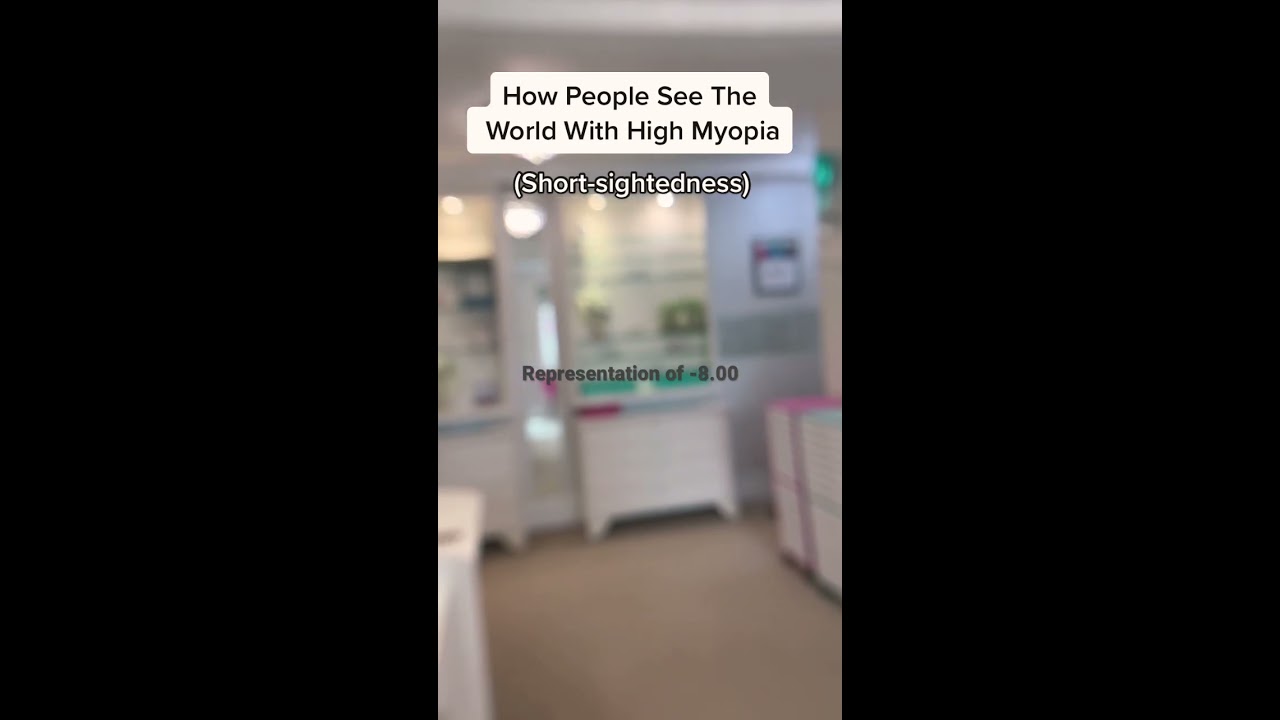
If the child is nervous, that is normal. New places, bright lights, and unfamiliar tests can be intimidating. A skilled children’s eye doctor knows how to work with that. Good pediatric care is as much about pacing and reassurance as it is about measurements.
A simple appointment can prevent a messy school year
Parents often wait until a problem is undeniable. That is understandable, but vision is one area where early action pays off. A child does not need to fail a test or come home crying over homework before an eye exam becomes worthwhile. If the eyes are not focusing properly, the school year will eventually expose it. Better to find out during a calm summer appointment than in the middle of a busy semester.
A myopia eye exam before school starts can give a child a clearer view of the classroom, the playground, and their own abilities. It can ease strain, support learning, and reduce the kind of avoidable frustration that wears on families. For parents seeking a thoughtful children’s eye doctor who understands how vision affects daily school life, the back-to-school season is the right time to act.
The difference between a child who is trying hard and a child who can actually see what they are doing is not minor. It affects reading, confidence, sports, and the overall rhythm of the school day. That is why a nearsightedness test belongs on the pre-school checklist, right alongside immunizations, supplies, and calendars. It is one of the few errands that can improve nearly everything that comes after it.
Phone:
(657) 445-2160
Website:
opticoreyegroup.com/brea-ca.html
Opticore Optometry Group, PC - BREA, CA
2500 E Imperial Hwy, Ste 196,
Brea,
CA
92821